
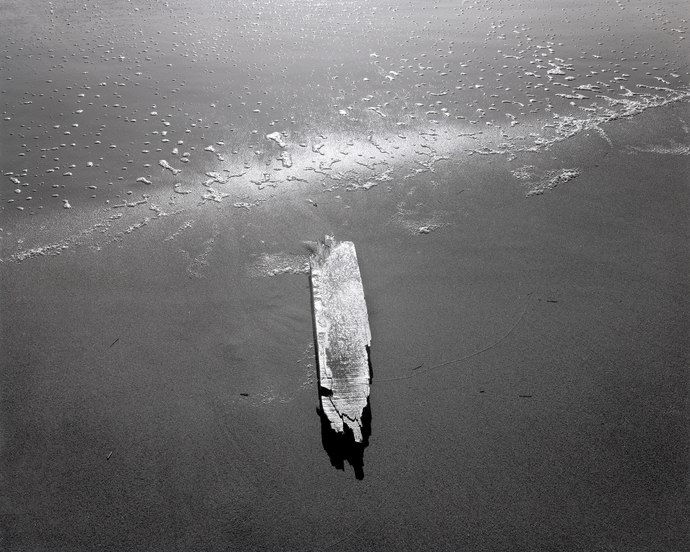
Cape Cod's 50-mile eastern shoreline is periodically strewn with debris left by storm waves, shifting sandbars, and currents. Over the past 400 years, three thousand ships have wrecked along America’s outermost beach. The first recorded wreck, the Sparrow Hawk, in 1626, was one of the earliest and smallest ships to sail to the New World. After being repaired twice, it eventually wrecked again along this same stretch of the outer Cape, which the pilgrims of 1620 named "Tucker's Terror."
During the 19th century, storms (especially in winter) and dangerous sandbars caused the loss of two or more ships each month. The remains of their cargo, hulls, and often the dead were cast onto these beaches from the fierce Atlantic, which writer Annie Dillard described as "a monster with a lace hem."
There has long been a history of 'wreckers' who made their living by reclaiming debris washed ashore. In 1855, Henry David Thoreau wrote, “After an easterly storm in the spring, this beach is sometimes strewn with Eastern wood from one end to the other, which, as it belongs to him who saves it, and the Cape is nearly destitute of wood, is a godsend to the inhabitants.”
On this morning fifty years ago, the beach foam of a retreating wave wetting the sand flats during low tide reflected the brilliant sun, lending this torn and wet piece of timber a radiant glow. Erosion and wave action made it impossible to identify the origin of this driftage. It could have been discarded from shore, lost from a passing ship as 'jetsam', or the rare 'flotsam' from a historic shipwreck.